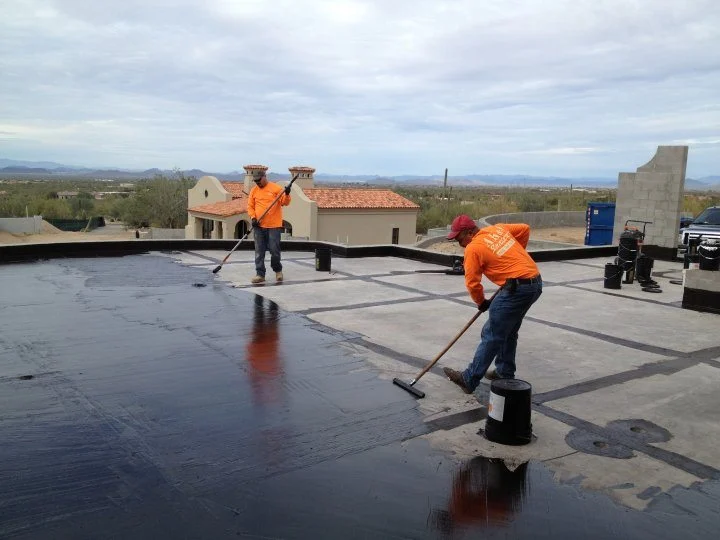
In the field of modern construction, durability and safety remain the top priorities. Among the most vital aspects of ensuring strong and long-lasting structures is waterproofing 防水工程. A waterproofing project is more than just an additional step in construction; it is a safeguard against structural damage, mold, and premature aging of buildings. Water-proof construction is not simply a luxury but a necessity for all types of structures, ranging from homes and offices to bridges and tunnels. The careful planning and execution of waterproofing measures contribute significantly to the long-term health of a building.
Understanding Waterproofing in Construction
Waterproofing refers to the process of making a structure resistant to the penetration of water. While many assume that concrete or bricks are naturally resistant, the truth is that moisture can easily seep into these materials, causing gradual damage over time. Cracks, leakage, dampness, and mold are the common outcomes of poor waterproofing. A waterproofing project ensures that all areas, especially roofs, basements, foundations, and bathrooms, are adequately protected from moisture. This preventive measure strengthens the entire concept of water-proof construction and shields investments from expensive repairs.
Why Waterproofing Projects are essential
The importance of waterproofing projects lies in the multiple benefits they bring to property owners, contractors, and end users. Water seepage not only weakens the strength of a building but also creates health hazards. Mold and mildew thrive in damp conditions, leading to respiratory problems for occupants. Additionally, moisture exposure causes steel reinforcements within concrete to rust, compromising structural integrity.
A well-planned waterproofing project prevents these issues and adds value to the property. Buildings with proven water-proof construction have higher resale potential since buyers are reassured that the property will not face water damage in the future. In many regions, building codes now require effective waterproofing methods as a mandatory standard.
Types of Waterproofing Used in Construction
Several techniques and materials are available for a waterproofing project, each suited to different parts of a building. Liquid waterproofing membranes create a protective layer when applied to roofs or balconies. Cementitious waterproofing, often used in bathrooms and basements, is easy to apply and effective in smaller areas. Bituminous coating is commonly used for concrete foundations due to its durability and resistance. Another advanced method is polyurethane liquid membrane, known for its flexibility and ability to withstand extreme weather.
By integrating these methods strategically, water-proof construction becomes achievable, ensuring that each part of a building remains resistant to moisture intrusion.
Waterproofing in Residential Projects
For homeowners, waterproofing projects are crucial. A leaking roof or damp basement can cause endless frustration and recurring repair costs. Water-proof construction ensures that living spaces remain comfortable, healthy, and durable. Waterproofing bathrooms, kitchens, and terraces prevents water seepage that could otherwise damage tiles, wooden furniture, and even electrical systems. In modern housing projects, contractors prioritize waterproofing as an essential part of the construction plan rather than an optional service.
Waterproofing in Commercial and Industrial Buildings
Commercial and industrial structures face even greater challenges. Warehouses, factories, and office complexes require long-lasting durability to support heavy usage. A waterproofing project in such spaces must be designed to handle constant exposure to environmental elements and prevent water damage to valuable equipment or stored goods. In addition, waterproofing in industrial plants ensures worker safety by reducing the risk of slippery floors or structural corrosion.
Water-proof construction in these environments is critical for business continuity and minimizing downtime caused by water-related issues.
Challenges in Waterproofing Projects
Despite its importance, waterproofing presents unique challenges. Selecting the right materials and application techniques requires expert knowledge. Poor workmanship or low-quality products can lead to early failures, causing leaks and structural weaknesses within just a few years. Climatic conditions also play a significant role. Areas with heavy rainfall, flooding risks, or high humidity require stronger and more resilient waterproofing solutions.
A successful waterproofing project must involve detailed planning, site evaluation, and use of modern technologies. Contractors specializing in water-proof construction often employ testing methods to ensure that every corner of the structure is properly sealed.
The Role of Technology in Modern Waterproofing
Technological advancement has brought remarkable improvements to waterproofing. Today, smart materials with self-healing properties are being developed to automatically seal minor cracks when exposed to water. Digital monitoring systems are also being used in large waterproofing projects to detect early signs of leakage and address them before they escalate.
Nanotechnology has further enhanced coatings and membranes, making them thinner yet more effective. This innovation reduces material costs while maintaining high levels of performance. By integrating these advancements, water-proof construction is becoming more reliable, sustainable, and cost-efficient.
Environmental Considerations in Waterproofing
In recent years, sustainable construction practices have gained attention. Waterproofing projects are no exception. Eco-friendly waterproofing solutions, such as water-based membranes and non-toxic coatings, are replacing older methods that relied on harmful chemicals. These environmentally safe products not only protect buildings but also minimize the impact on natural ecosystems.
Moreover, energy efficiency is improved with proper waterproofing. By preventing moisture from entering walls and insulation, buildings maintain better thermal performance, reducing the need for excessive heating or cooling. This makes water-proof construction not only practical but also environmentally responsible.
The future of Waterproofing Projects
The future of waterproofing lies in innovation, sustainability, and integration with smart building systems. As urbanization increases, the demand for high-rise buildings, underground facilities, and large-scale infrastructure will continue to rise. All these structures require strong waterproofing measures to withstand environmental pressures.
Artificial intelligence and advanced sensors may soon be part of waterproofing projects, allowing real-time monitoring and predictive maintenance. This proactive approach will reduce the chances of water-related failures and extend the life span of structures. Water-proof construction will continue to evolve, merging technology with durability to provide safer and more resilient spaces.
Conclusion
A waterproofing project is not merely an extra step in building but a necessity that ensures strength, safety, and longevity. Water-proof construction protects investments, enhances property value, and provides a healthier living and working environment. With the advancement of modern techniques and sustainable solutions, waterproofing has become an integral part of the construction industry. Whether for residential, commercial, or industrial structures, the importance of waterproofing cannot be overstated. By prioritizing it during the early stages of planning, property owners and contractors secure long-term benefits, making water-proof construction the foundation of durable and reliable structures.