Hearing is one of the most vital senses that connects us to the world around us. It allows us to communicate, enjoy music, stay alert to warnings, and engage socially with family and friends. Unfortunately, millions of people worldwide experience hearing loss, which can significantly affect their quality of life. For many of them, a hearing aid is the key to regaining confidence, independence, and better communication. This 助聽器保養 explores what hearing aids are, how they work, their different types, benefits, challenges, and future advancements in hearing technology.
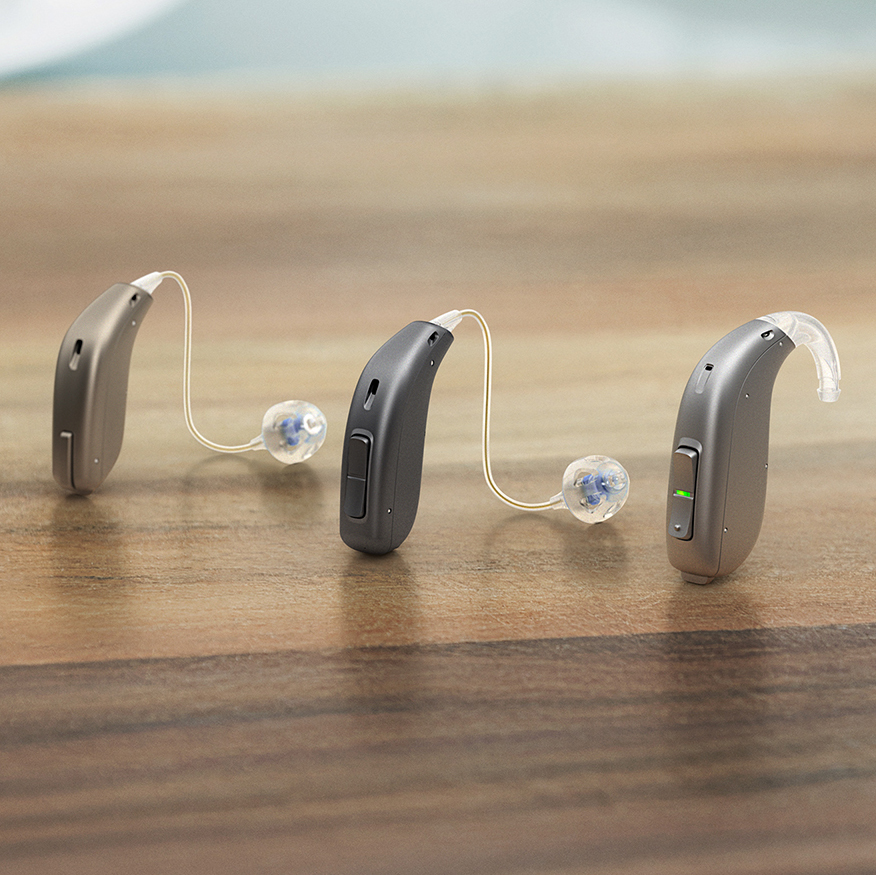
Understanding Hearing Loss and the Role of Hearing Aids
Hearing loss can occur due to aging, prolonged exposure to loud noises, infections, injuries, or genetic conditions. It may be temporary or permanent, mild or profound. People with hearing loss often struggle to understand speech, especially in noisy environments, and may withdraw socially due to frustration or embarrassment. This is where a hearing aid comes in—an electronic device designed to amplify sound, making it easier for individuals to hear clearly.
A hearing aid is not a cure for hearing loss but a powerful tool that compensates for the reduced sensitivity of the auditory system. Modern devices are small, discreet, and technologically advanced, offering users a near-natural listening experience.
How Hearing Aids Work
The basic function of a hearing aid is to pick up sounds, process them, and deliver amplified sound into the ear. Despite their tiny size, hearing aids consist of three essential parts: a microphone, an amplifier, and a speaker (receiver).
Microphone – Captures external sounds and converts them into electrical signals.
Amplifier – Processes and increases the strength of the signals based on the user’s hearing loss profile.
Receiver (Speaker) – Delivers the amplified sound into the ear canal.
Today’s hearing aids are far more sophisticated than the bulky devices of the past. They use digital technology, which allows for advanced sound processing, background noise reduction, feedback cancellation, and even wireless connectivity to smartphones and televisions.
Types of Hearing Aids
There is no one-size-fits-all solution when it comes to hearing aids. Audiologists help users choose the right device based on their degree of hearing loss, lifestyle, and personal preference. The most common types include:
Behind-the-Ear (BTE): These sit behind the ear and connect to an earpiece inside the ear canal. They are powerful and suitable for mild to profound hearing loss.
In-the-Ear (ITE): Custom-made to fit directly inside the ear, these are less visible but may not be as powerful as BTE models.
In-the-Canal (ITC) & Completely-in-Canal (CIC): Very discreet options that fit partly or completely inside the ear canal. They are best for mild to moderate hearing loss.
Receiver-in-Canal (RIC): Similar to BTE but with a smaller design and more natural sound quality.
Bone-Anchored Hearing Aids (BAHA): Used for people with conductive hearing loss, these transmit sound vibrations directly to the inner ear via bone conduction.
Each style has its pros and cons in terms of comfort, visibility, and performance, making professional guidance crucial when selecting a device.
Benefits of Hearing Aids
The advantages of using a hearing aid extend beyond simply amplifying sounds. They can dramatically improve a person’s overall well-being.
Better Communication – Hearing aids help users understand conversations more clearly, even in noisy environments, reducing misunderstandings and frustration.
Increased Confidence – Improved hearing allows individuals to participate actively in social, family, and work settings without hesitation.
Cognitive Health – Studies have shown that untreated hearing loss may contribute to cognitive decline and dementia. Using hearing aids reduces this risk by keeping the brain stimulated.
Safety and Awareness – Being able to hear alarms, traffic, and other warning signals improves personal safety.
Quality of life – Restored hearing often leads to reduced feelings of isolation, anxiety, and depression, allowing users to live more fulfilling lives.
Challenges and Limitations
Despite their benefits, hearing aids are not without challenges. Some of the common issues users face include:
Cost – Hearing aids can be expensive, ranging from hundreds to several thousand dollars per device, and they are often not covered by insurance.
Adjustment Period – Users may need weeks or even months to adapt to their new device as the brain relearns how to process amplified sounds.
Maintenance – Devices require regular cleaning, battery replacement or recharging, and occasional repairs.
Background Noise – While advanced hearing aids have noise-canceling features, separating voices from background noise can still be difficult in very loud environments.
Overcoming these challenges usually involves proper fitting, realistic expectations, and consistent follow-ups with an audiologist.
Innovations in Hearing Aid Technology
Technology has transformed the world of hearing aids, making them smarter, smaller, and more effective. Some of the latest innovations include:
Rechargeable Batteries – Eliminating the hassle of frequent battery changes.
Bluetooth Connectivity – Allowing users to connect hearing aids directly to smartphones, Tvs, and music players.
AI-Powered Sound Processing – Using artificial intelligence to adapt to different environments automatically.
Remote Adjustments – Enabling audiologists to fine-tune devices through smartphone apps without requiring an office visit.
Health Tracking Features – Some hearing aids now monitor physical activity and even detect falls, doubling as health devices.
These advancements are making hearing aids more user-friendly and versatile, encouraging more people to seek treatment for hearing loss.
The importance of Early Intervention
One of the biggest mistakes people with hearing loss make is delaying the use of a hearing aid. Many wait an average of 7 to 10 years before seeking help, often because of stigma, denial, or cost concerns. Unfortunately, this delay can worsen communication difficulties and cognitive decline. Early adoption of hearing aids helps preserve brain function, social connections, and overall quality of life.
Caring for Hearing Aids
To ensure optimal performance, hearing aids require proper care. Users should:
Keep them dry and avoid exposure to moisture.
Clean them regularly using the tools provided by the manufacturer.
Store them in a protective case when not in use.
Replace or recharge batteries as needed.
Schedule routine check-ups with an audiologist.
Good maintenance not only extends the life of the device but also ensures consistent hearing improvement.
Conclusion
Hearing loss can create significant challenges in daily life, but thanks to modern technology, a hearing aid offers an effective solution to regain the joy of sound. From amplifying voices to enhancing safety and boosting confidence, hearing aids provide life-changing benefits. While cost, maintenance, and adaptation may pose challenges, the advantages far outweigh the drawbacks. With continuous advancements such as AI-driven processing, Bluetooth connectivity, and rechargeable options, hearing aids are becoming smarter and more personalized than ever before.
For anyone experiencing hearing difficulties, consulting an audiologist and considering a hearing aid can be the first step toward better hearing, stronger relationships, and a healthier, happier life.