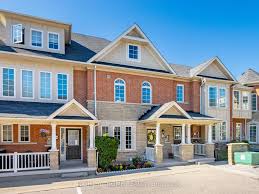
Owning a home is one of the most significant financial goals for many individuals and families. The idea of having a place to call your own, build equity over time, and establish long-term security is deeply appealing. However, for a large number of potential buyers, the biggest hurdle to achieving homeownership is the initial down payment. Traditionally, saving tens of thousands of dollars to put toward a home has been considered an essential first step. But in today’s real estate landscape, many are asking: is it possible to buy a house with no down payment?
The short answer is yes, under certain circumstances and with the right planning. While it is not the most common route to homeownership, purchasing a house without a down payment is achievable through various programs, strategies, and financial arrangements. Understanding how this process works and what it requires is essential for anyone who wants to explore this path.
The first thing to know is that a no-down-payment purchase does not mean there are zero costs involved. Even without a down payment, buyers must still budget for closing costs, legal fees, insurance, inspections, and moving expenses. However, eliminating the need to come up with a large lump sum upfront can significantly reduce the barrier to entry.
One of the most well-known methods of buying a house with no down payment is through government-backed mortgage programs. In some countries, certain financial institutions or public programs support qualified borrowers, such as veterans or first-time homebuyers, by offering loans that require little to no money down. These programs typically come with eligibility requirements based on income, credit score, employment history, or service background.
In addition to government programs, some lenders may offer zero-down mortgage options to highly qualified applicants. These loans often require strong credit scores, stable income, and a good debt-to-income ratio. The lender takes on more risk by offering such a loan, so they may impose stricter underwriting guidelines or charge a slightly higher interest rate. Still, this trade-off can be worthwhile for buyers who want to enter the housing market sooner rather than later.
Another option that some buyers explore is using gifted funds or borrowed money to cover the down payment. For example, a family member may offer a financial gift that the buyer can use as their down payment. In other cases, a buyer may be able to access a personal loan, line of credit, or homebuyer assistance program that provides funds upfront. While this technically means the buyer is using a down payment, the money is not coming directly from their savings. It’s essential to ensure that any borrowed money used toward a down payment is acceptable under the mortgage lender’s guidelines.
Some employers and organizations also offer home purchase assistance for their employees or members. This might come in the form of down payment grants, forgivable loans, or matching savings programs. These initiatives are often overlooked but can play a crucial role in enabling people to buy a house without a traditional down payment.
Rent-to-own agreements represent another strategy for individuals who need time to build savings while working toward homeownership. In these arrangements, a tenant agrees to rent a property with the option to purchase it later. A portion of the rent paid each month may go toward the eventual purchase price. While this does not result in an immediate home purchase, it allows future buyers to secure a property and build equity-like credits over time. This can be especially helpful for individuals with limited access to financing or who need time to improve their credit profiles.
Partnerships or co-buying strategies are also becoming more common. In these cases, two or more people pool their resources to buy a home together. This could be friends, family members, or even co-investors. While this approach does not always eliminate the down payment entirely, it spreads the financial responsibility among multiple parties, making homeownership more accessible.
It’s important to acknowledge that buying a home with no down payment comes with both advantages and risks. The primary benefit is obvious: it reduces the upfront cost and allows buyers to enter the housing market sooner. This is particularly advantageous in markets where property values are rising quickly. By purchasing a home sooner, buyers may benefit from appreciation and equity gains over time.
However, there are risks that should not be overlooked. Without a down payment, buyers start with no equity in the home. This means if the market value of the property decreases, the homeowner could owe more on the mortgage than the home is worth. This is known as being “underwater” or having negative equity, and it can make refinancing or selling the property more difficult. Additionally, loans with no down payment often come with higher monthly payments, especially if private mortgage insurance is required.
To mitigate these risks, buyers should focus on choosing the right property, securing a favorable interest rate, and ensuring they have a stable financial foundation. Creating a realistic budget, maintaining an emergency fund, and working with trusted financial and real estate professionals can help ensure the purchase is a sound investment.
It’s also worth noting that even if a buyer qualifies for a no-down-payment mortgage, they may still benefit from putting down some amount if they can afford to. A small down payment can lower monthly payments, reduce interest paid over the life of the loan, and improve loan terms Townhomes for sale in Markham. Flexibility is key, and buyers should weigh the pros and cons based on their individual circumstances.
Creditworthiness plays a critical role in no-down-payment scenarios. Most lenders will closely evaluate credit scores, payment history, debt levels, and overall financial health. Buyers who plan to pursue this route should take steps to strengthen their credit well in advance. Paying off debts, avoiding new credit inquiries, and maintaining consistent income can improve the chances of approval.
Finally, education is a powerful tool. Potential buyers should invest time in understanding the homebuying process, available programs, and long-term financial implications. Many communities and financial institutions offer homebuyer education workshops or online courses that can equip buyers with the knowledge needed to navigate the process confidently.
In summary, buying a house with no down payment is a possibility, but it requires careful planning, strong financial credentials, and a willingness to explore alternative solutions. With the right approach, aspiring homeowners can overcome the down payment barrier and step into the real estate market, turning the dream of ownership into a reality. It may not be the traditional path, but for many, it’s the right one.