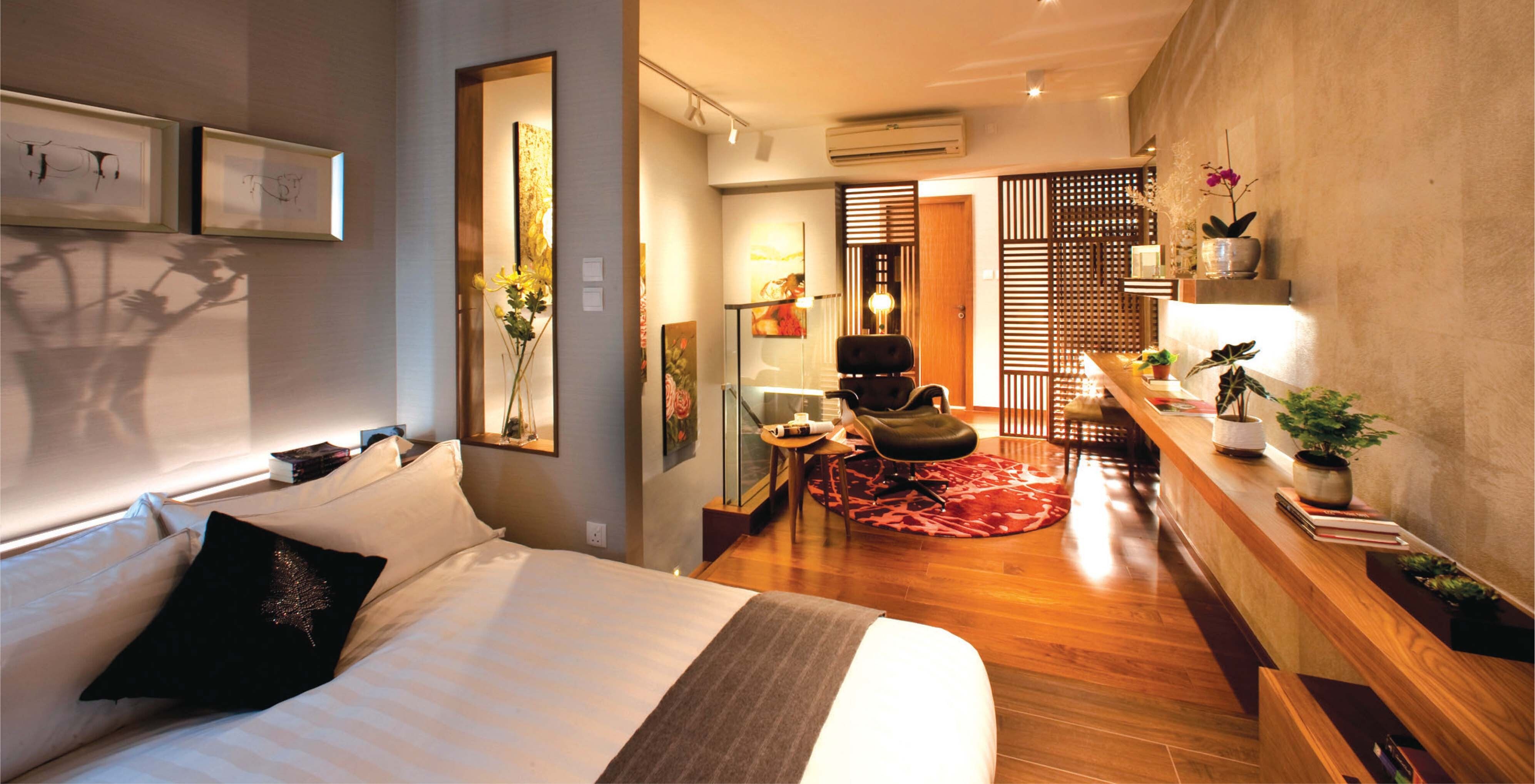
Co-living apartments Hong Kong have emerged as a practical and innovative housing solution in one of the world’s most densely populated and expensive cities. With soaring property prices and limited living space, many residents, especially young professionals, students, and expatriates, are turning to co-living arrangements as an alternative to traditional renting. This modern housing model combines private living spaces with shared communal facilities, creating a balanced lifestyle that emphasizes affordability, convenience, and social interaction.
In Hong Kong’s fast-paced urban environment, finding affordable accommodation is one of the biggest challenges. The city is known for its compact apartments and high rental costs, which often force individuals to compromise on space or location co-living apartments hong kong. Co-living apartments Hong Kong address this issue by offering fully furnished rooms within shared housing units, where tenants can enjoy private bedrooms while sharing kitchens, lounges, and other common areas. This arrangement significantly reduces living expenses while maintaining comfort and accessibility.
One of the most appealing aspects of co-living apartments Hong Kong is affordability. Traditional rental properties in central areas are often beyond the financial reach of many residents. Co-living spaces, however, offer a more budget-friendly alternative by splitting the cost of rent, utilities, and services among multiple tenants. This allows individuals to live in desirable locations without the financial burden typically associated with city-center housing. For many young professionals, this cost-saving advantage is a key reason for choosing co-living over conventional apartments.
Beyond affordability, co-living apartments Hong Kong are designed to foster a sense of community. In a city where people often lead busy and demanding lives, social interaction can sometimes be limited. Co-living spaces help bridge this gap by encouraging residents to engage with one another through shared living areas and organized community events. From networking sessions to social gatherings, these activities create opportunities for meaningful connections and friendships, which can be especially valuable for newcomers to the city.
Another important feature of co-living apartments Hong Kong is convenience. Most co-living spaces come fully furnished, eliminating the need for tenants to purchase furniture or handle complex move-in arrangements. Utilities such as internet, electricity, and water are typically included in a single monthly payment, simplifying budgeting and reducing administrative stress. This all-inclusive approach is particularly attractive to expatriates and short-term residents who prefer a hassle-free living experience.
The design of co-living apartments Hong Kong also plays a crucial role in their popularity. Many of these spaces are thoughtfully designed to maximize functionality in limited square footage. Smart layouts, multi-purpose furniture, and efficient storage solutions help create comfortable living environments despite the compact size of individual rooms. Shared areas are often modern and stylish, providing residents with inviting spaces to relax, work, or socialize.
Technology has further enhanced the co-living experience in Hong Kong. Many co-living operators use digital platforms and mobile apps to manage bookings, payments, and community engagement. Residents can easily communicate with property managers, request maintenance, or participate in community events through these platforms. This digital integration makes living in co-living apartments Hong Kong more efficient and user-friendly, aligning with the city’s reputation as a global technology hub.
Flexibility is another major advantage of co-living apartments Hong Kong. Unlike traditional rental agreements that often require long-term commitments, co-living spaces typically offer flexible lease terms. This is ideal for individuals who may be in the city for work assignments, studies, or temporary stays. The ability to rent on a short-term or month-to-month basis provides residents with greater freedom and adaptability in managing their living arrangements.
The rise of remote work and digital nomad lifestyles has also contributed to the growth of co-living apartments Hong Kong. As more professionals work remotely, the need for flexible and well-equipped living spaces has increased. Co-living environments often include shared workspaces, high-speed internet, and quiet zones, making them suitable for remote workers who require both productivity and comfort. This combination of living and working facilities has made co-living an attractive option for modern professionals.
Sustainability is another factor influencing the popularity of co-living apartments Hong Kong. Shared living naturally reduces resource consumption, as utilities and space are used more efficiently compared to individual apartments. Some co-living operators also incorporate eco-friendly practices such as energy-efficient appliances, waste reduction programs, and sustainable building materials. These efforts contribute to a more environmentally responsible way of urban living.
Despite its many benefits, co-living apartments Hong Kong also present certain challenges. Privacy can be limited due to shared spaces, and residents must adapt to communal living environments. Differences in lifestyle, habits, and schedules may sometimes lead to conflicts among housemates. However, many co-living operators implement house rules and community guidelines to ensure a harmonious living experience. Proper communication and mutual respect are essential for maintaining a positive co-living environment.
The demand for co-living apartments Hong Kong continues to grow as the city evolves. Real estate developers and property management companies are increasingly investing in co-living projects to meet the needs of modern urban residents. This trend reflects a broader shift in housing preferences, where flexibility, affordability, and community are becoming more important than traditional notions of ownership and space.
Looking ahead, co-living apartments Hong Kong are expected to become even more integrated into the city’s housing landscape. With advancements in smart home technology and urban planning, future co-living spaces may offer enhanced personalization, improved energy efficiency, and even stronger community features. These developments will further improve the quality of life for residents while addressing the ongoing challenges of urban housing.
In conclusion, co-living apartments Hong Kong represent a forward-thinking approach to urban living in a high-density city. By combining affordability, convenience, and community, they offer a practical solution to the challenges of modern housing. As the city continues to grow and evolve, co-living will likely play an increasingly important role in shaping how people live, work, and connect in Hong Kong’s dynamic urban environment.