Innovation in medical device design consistently prioritizes not only clinical efficacy but also the profound impact on user quality of life. For individuals managing bladder conditions, the evolution of the intermittent catheter has been transformative, shifting the focus from mere utility to holistic user experience. Modern designs now seamlessly integrate advanced materials and thoughtful features that empower users, particularly women, to maintain active and confident lifestyles without interruption. This progress is epitomized by devices that champion discretion, comfort, and environmental consideration.
The Critical Shift Towards User-Centric and Eco-Conscious Materials
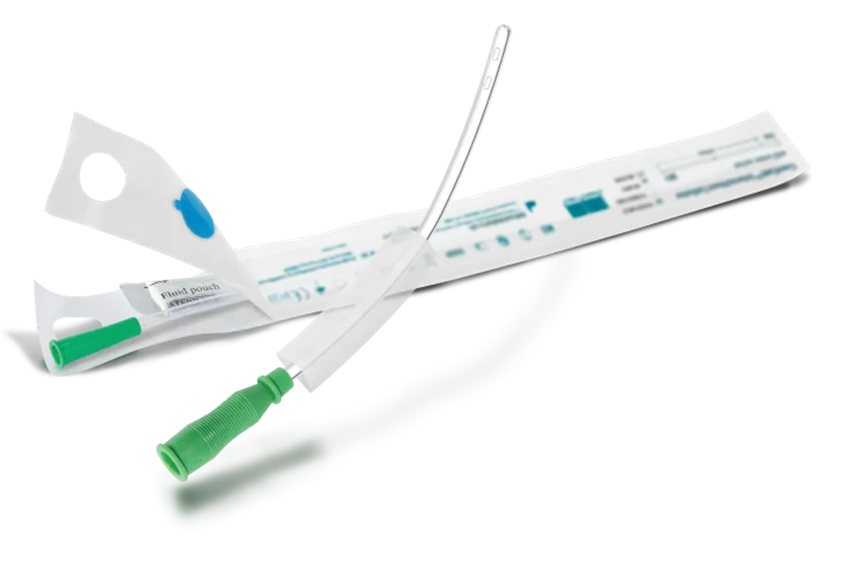
A significant advancement in intermittent catheter technology is the move towards materials like thermoplastic polyurethane (TPU). This material offers a superior combination of flexibility and strength, enhancing patient comfort during use. Furthermore, TPU is often more eco-friendly than traditional PVC, aligning with a growing desire for sustainable medical solutions. Coupled with a ready-to-use hydrophilic coating that activates with water for immediate lubrication, these material science innovations reduce friction and the risk of complications, making the process safer and more comfortable. This thoughtful design eliminates preparatory hassles, ensuring a streamlined and dignified experience.
Empowering Mobility and Confidence Through Discreet Design
The physical form factor of these medical devices is equally crucial. Modern compact catheters are engineered for absolute portability, easily fitting into a small handbag or clutch. This on-the-go convenience is vital for encouraging social participation and professional engagement without anxiety. Features like a completely touch-free delivery system and tamper-proof labels are not mere additions; they are essential components that uphold strict hygiene standards and provide ultimate peace of mind. The availability of an elegant, pink design specifically tailored for women helps to destigmatize the product, transforming a clinical necessity into a personal accessory that affirms identity rather than negating it.
Conclusion
In conclusion, the development of the contemporary intermittent catheter represents a harmonious blend of medical necessity and human-centered design. By addressing core needs such as comfort, discretion, hygiene, and environmental impact, these devices do more than just manage a condition—they restore a sense of normalcy and control. Companies like Well Lead Medical, with products such as the ConviCath ® Mini Compact Female, contribute to this positive shift by offering solutions that embody these principles, providing users with reliable tools to live life on their own terms.